

Meme Crypto News Logo
Meme Crypto News
  • Home
  • Categories
    • Radar
    • Pulse
    • Security
    • Founder
    • Metrics
    • Launch
    • Tech
    • Political
    • Extra News
November 08.2026
3 Minutes Read

Psychic Mail Fraud Scheme Uncovered: Over $4 Million Stolen From Victims

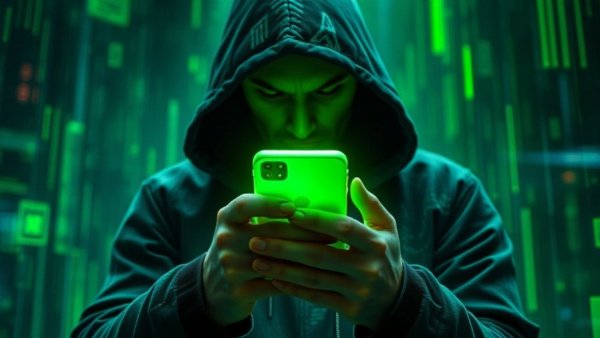
Mystical hooded figure with glowing binary code, psychic mail fraud scheme concept.

The Dark Reality of Psychic Mail Fraud

In an alarming case that has raised ethical and legal concerns, Mael Chemla, a 61-year-old with significant international ties, has found himself at the center of a criminal conspiracy that allegedly swindled over $4 million from thousands of unsuspecting victims across the United States. Most of these individuals, the U.S. Department of Justice reports, are elderly and vulnerable individuals who fell prey to deceptive mailings disguised as personalized communications from psychics claiming they were on the cusp of receiving life-changing financial fortunes.

An Elaborate Scheme Disguised as Hope

The fraud allegedly relies on an intricate network designed to exploit the hopes and dreams of those desperate for financial relief. Recipients of these letters were led to believe they had a financial windfall waiting for them, but not without first sending in a payment. Chemla, who resides both in the U.S., France, and Israel, is charged with conspiring to commit mail fraud and wire fraud. Such schemes are alarmingly prevalent, particularly among vulnerable populations who are often less aware of the potential for exploitation.

The Mechanics of the Scam

According to investigators, Chemla’s operation extended from September 2016 to November 2020, during which he set up various bank accounts in the names of imaginary psychics. Victims' checks were promptly deposited, and the funds wired to accounts in Europe managed by a co-conspirator. This method highlights a troubling trend in cybercrime where perpetrators utilize legitimate financial systems to launder illicitly gained funds. Fraudulent schemes like this pose a significant risk to financial stability and security, particularly in a digital age increasingly characterized by anonymity.

The Implications for Digital Security

For tech-savvy investors, who are often aware of the vulnerabilities within emerging technologies, this case offers a haunting reminder of the entrenched fraud tactics that can exploit even the most educated individuals. The FBI and the U.S. Postal Inspection Service are currently investigating this case, demonstrating the necessity of vigilance in a landscape where scams are evolving continually. As more transactions transition online, the lessons from cases like Chemla's underscore the importance of digital security practices.

What Can Be Done?

In a world flooded with digital options, vigilance remains the primary line of defense against fraud. Experts advocate for individuals to cultivate a habit of skepticism, particularly regarding unsolicited offers of wealth and psychic solutions. Here are several proactive steps to stay safe:

  • Verify Claims: Always cross-check the authenticity of any claims received—especially those that ask for upfront payments.
  • Report Suspicious Activity: Engage local authorities and institutions when encountering fraudulent solicitations. Reporting helps law enforcement agencies track and combat these schemes.
  • Utilize Secure Payment Channels: Ensure that all transactions occur through secure and verified financial platforms to minimize exposure to fraud.

Future Perspectives: Heightened Awareness Needed

As digital fraud schemes become more sophisticated, the onus is also on financial institutions to increase safeguards and consumer education. Understanding the psychological tricks employed by fraudsters can help mitigate impacts. Educational campaigns that emphasize critical thinking and due diligence in financial correspondence can significantly reduce fallen prey to such schemes.

As Chemla’s case unfolds, it serves as a rallying cry—both to the tech-savvy investors and vulnerable groups—about the need for vigilance, education, and proactive measures in an age where deception often masquerades as opportunity.


Security

0 Views

0 Comments

Write A Comment

*
*
Please complete the captcha to submit your comment.
Related Posts All Posts
11.07.2026

Hard Fork Proposal Aims to Recover $6.5 Million in Stolen Crypto

Update The Urgency Behind the Hard Fork Proposal The recent proposal by Binance and Polymarket to implement a hard fork on the Polygon network stems from urgency—over $6.5 million worth of stolen cryptocurrency is currently held in five hacker-controlled addresses. This drastic measure aims to reclaim the lost funds before the attackers can extract or launder them further. Understanding the context of the breach and its repercussions is paramount for cryptocurrency traders, particularly amidst the volatile landscape of digital currencies. How the Attacks Unfolded The events leading to this hard fork proposal occurred on October 29th when hackers managed to exploit vulnerabilities in both Binance and Polymarket. While Polymarket saw around 23.86 million POL compromised, Binance faced a loss of approximately 46.63 million POL. As these attacks unfolded, the discovery of the compromised wallets added an alarming layer to the ongoing challenges faced by security teams in the blockchain sector. It serves as a stark reminder that even major exchange platforms are not immune to vulnerabilities. The Proposed Mechanism: A Hard Fork to the Rescue The innovative solution that Binance and Polymarket have put forth involves a hard fork that would effectively whitelist and transfer the stolen POL tokens back to recovery wallets. By resetting the POL balances in the compromised wallets to zero, the proposal aims to mitigate potential losses and re-establish trust for users. However, this extreme action is underpinned by significant governance considerations, with its implementation requiring careful assessment through Polygon’s established governance process. Proposal Supported by Layered Security Measures To bolster the effectiveness of the hard fork, Polygon's governance is seeking assurances that the recovery wallets proposed by Binance and Polymarket would indeed be under their control. This requirement emphasizes the platform's commitment to preventing further breaches and ensuring that rational funding strategies are in place. Notably, the affected parties have been proactive in alerting validators, and Polygon had previously blacklisted the malicious addresses to prevent further movement of funds. However, as the firms aptly noted, "the funds cannot move, but nothing in the current setup lets them be returned either." This highlights the systemic limitations within current blockchain protocols. Community Opinions on the Hard Fork Feedback from the cryptocurrency community reveals a mix of concern and cautious optimism regarding this unprecedented step. While many traders understand the rationale behind the suggested hard fork, others raise questions about the implications it may have for the governance of decentralized networks. The tension between security response and ecosystem integrity weighs heavily as discussions unfold ahead of the Polygon Protocol Governance Call. Looking Ahead: Long-term Implications for Cybersecurity in the Crypto Space The pressing issue of cybersecurity in the cryptocurrency ecosystem cannot be overlooked as the Polygon hard fork proposal garners attention. This incident serves as a crucial case study regarding the need for robust security protocols within cryptocurrency exchanges and decentralized networks. As exploitation tactics evolve, a proactive approach to cybersecurity—including regular audits, transaction monitoring, and community engagement—will become increasingly vital. Cryptocurrencies, while offering immense opportunity, also present considerable risks that require ongoing vigilance and adaptation from stakeholders. Final Thoughts: Recovering from the Attack In light of recent events, the Binance and Polymarket hard fork proposal could set a precedent for future recovery efforts following cyberattacks in the crypto sector. This case highlights the complexities inherent in balancing the need for rapid action against potential risks to the system's integrity. As stakeholders look forward to the upcoming governance meeting, it remains essential for them to consider both the immediate recovery of assets and the long-term health of the ecosystem.

11.07.2026

How Danilo Pesce's Theft of Pension Payments Highlights Financial Vulnerabilities

Update The Alarming Case of Pension Fraud: A Caretaker's BetrayalThe recent conviction of Danilo Pesce, a New York man who stole nearly $142,000 in pension payments from his deceased neighbor, underscores a troubling trend in financial exploitation. As digital and physical systems evolve, the vulnerabilities in managing sensitive financial information become more pronounced, leaving room for deceit. Pesce, who served as the caretaker for Jack Lee Morgan, a retired teacher, exploited the outdated processes surrounding pension disbursement, allowing for three years of unverified withdrawals that flowed freely into his pocket.Unpacking the Crime: How Did This Happen?In the age of technology, many assume that systems are secure and self-correcting. Yet, this incident illustrates a significant lapse in oversight. Morgan passed away in 2020, leaving behind no beneficiaries. Despite this, the New York State Teachers' Retirement System continued to dispatch monthly pension payments of $3,497 to Morgan's account, unaware of his death due to lack of notification. Pesce, having been added to both the bank account and deed of Morgan's home prior to his death, had unprecedented access to this flow of funds.Since March 2020, shortly after Morgan's death, Pesce continuously withdrew the funds, channeling $141,968 for renovations and upkeep of the property where he lived part-time with his wife. Such misappropriation poses critical questions about the robustness of pension management systems and caregiver accountability. With a landscape dominated by rapidly evolving tech, the absence of a robust verification process for significant financial events like death raises serious concerns.Legal and Ethical Ramifications of Financial ExploitationThis case highlights the necessity of stringent checks in financial systems, particularly those dealing with pensions for vulnerable populations such as the elderly. Attorney General Letitia James voiced her outrage, expressing how Pesce's actions directly undermined the trust placed in systems that many retired professionals depend on. “Danilo Pesce took advantage of the retirement system that thousands of hard-working New York teachers rely on,” she stated, emphasizing the heartlessness of such theft.Broader Implications: Pension Security in the Digital AgeThe fallout from this case transcends just legal repercussions for Pesce. It opens a broader discourse on pension security, fraud prevention, and the ethical responsibilities of caregivers. As more financial transactions shift to digital frameworks, the need for enhanced cybersecurity protocols becomes paramount. Institutions must invest in updated technologies to track account statuses, verify beneficiaries promptly, and halt payments immediately upon verification of death.Protecting Yourself in an Increasingly Vulnerable SystemFor crypto traders and tech-savvy professionals, this case serves as a stark reminder of the importance of securing personal and financial information. Among your portfolio, consider how frequently you assess the security of your investments and the platforms you utilize. Implementing two-factor authentication, regularly updating passwords, and maintaining vigilance regarding account activity can be proactive measures against exploitation.Conclusion: A Call for Action and AwarenessThe unsettling theft carried out by Pesce should serve as a catalyst for conversations around financial protection, particularly for those who might not understand the digital landscape surrounding their retirement funds or investments. It is critical for individuals to remain informed about their financial matters and to question processes that may seem opaque. This case ultimately champions the need for personal accountability in financial systems and emphasizes vigilance against exploitation—both in traditional and digital realms.

11.07.2026

Beware Phone Spoofing: How Scammers Target Tech-Savvy Investors

Update The Rising Threat of Phone Spoofing The case of the Connecticut woman who lost over $7,000 to scammers is a stark reminder of the dangers posed by phone spoofing in today’s digital age. Phone spoofing, a technique where a caller’s true identity is disguised using technology, allows malicious actors to make it appear as if they’re calling from a legitimate source. This tactic is not new but has gained traction as more individuals and businesses conduct their financial dealings online. For tech-savvy individuals, especially those engaged in cryptocurrency trading, recognizing these scams becomes increasingly critical as their financial savviness may paradoxically lure them into false security. Understanding the Mechanics: How Scammers Operate In this incident, the scammers displayed not just technical proficiency, but also a deep understanding of human psychology. The use of real phone numbers from known entities, such as the 360 Federal Credit Union, lends credibility to their claims. This strategy is often referred to as social engineering—manipulating individuals into divulging confidential information or performing actions that compromise their security. The Connecticut woman's experience illustrates how easily personal information can be leveraged against unsuspecting victims. The Impact of Apple Cash Fraud on Crypto Traders For members of the cryptocurrency community, the implications of such scams resonate strongly. Many within this demographic are well-versed in handling digital transactions, yet this story serves as a cautionary tale about the limitations of technology. Apple Cash, while convenient, can also provide a pathway for fraudsters when users fail to verify the authenticity of requests. The average income and tech-savvy nature of this audience means they may have more to lose, making awareness of such risks imperative. Steps to Protect Yourself from Scamm Here are some crucial steps that cryptocurrency traders and tech-savvy individuals can take to secure their financial assets: Confirm Caller Identity: Always verify who is calling you before acting on their advice. If a financial representative contacts you, hang up and call the official customer service number of the institution to verify. Beware of Urgency: Scammers often create a sense of urgency to provoke panic. Take your time to think critically about the situation and research any claims made. Secure Personal Information: Regularly review security measures for your financial accounts, including two-factor authentication and strong, unique passwords for different services. The Emotional Toll of Financial Scams Beyond the monetary loss, the psychological impact of such scams can be profound. Victims often feel a mix of embarrassment, anxiety, and distrust. As the Connecticut woman stated, the feeling of financial security was abruptly fugitive as she pondered where her money went. The emotional aftermath is a critical consideration that financial institutions must address, not only to assist victims but to increase awareness in their communities to prevent future incidents. The Role of Financial Institutions in Fraud Prevention Financial institutions like 360 Federal Credit Union are in a pivotal position to lead in fraud prevention efforts. Their involvement in customer education about common tactics used by scammers and promoting a culture of caution can enact change. Reinforcing the notion that if something feels off, it probably is, can empower users to take action against potential threats. Conclusion: Navigating the Evolving Threat Landscape The story of the Connecticut woman's loss serves as a crucial reminder for all of us, especially technology users and investors, to remain vigilant. As cyber threats evolve, so must our defense strategies. By staying informed and proactive about potential scams, we can reduce vulnerability to these insidious tactics. Keep your financial health secure and continue to cultivate a healthy skepticism towards unsolicited communications.

Meme & Crypto News

Welcome to MemeCryptoNews, your go-to destination for the latest and most engaging news in the world of cryptocurrency and meme culture!

At MemeCryptoNews, we believe that the intersection of cryptocurrency and memes represents a unique and dynamic space that deserves dedicated coverage. Our mission is to provide our readers with insightful, accurate, and entertaining content that keeps them informed and amused.

Advertise
MemeCryptoNews.com
SeamanDan.com
Dan Seaman Media Press Pass

ABOUT US

SeamanDan LLC is a modern news media agency creating niche digital channels that inform and engage. We specialize in launching focused platforms that deliver impactful content.  Our current brands include:
Parallel Health World
AI Insights Hub
MLM News AI
Rider Safe News
Meme Crypto News

Rugged Trails Network
Recreation Wave
Outdoor Odyssey News
Eco-Innovation Hub
Metal Green Innovators
Autism Foundation News

At SeamanDan LLC, we don't just report the news we create platforms that build communities, foster trust, and drive forward-thinking conversations.  Can we build a channel for you?

© 2026 Meme Crypto News All Rights Reserved. 810 N Main St #187, Spearfish, SD 57783 . Contact Us . Terms of Service . Privacy Policy

eyJjb21wYW55IjoiTWVtZSBDcnlwdG8gTmV3cyIsImFkZHJlc3MiOiI4MTAgTiBNYWluIFN0ICMxODciLCJjaXR5IjoiU3BlYXJmaXNoIiwic3RhdGUiOiJTRCIsInppcCI6IjU3NzgzIiwiZW1haWwiOiJzZWFtYW5kYW5Ac2VhbWFuZGFuLmNvbSIsInRvcyI6IlBIQStQSE4wY205dVp6NDhaVzArVjJobGJpQjViM1VnYzJsbmJpMXBiaUIzYVhSb0lIVnpMQ0I1YjNVZ1lYSmxJR2RwZG1sdVp5WnVZbk53T3lCNWIzVnlJSEJsY20xcGMzTnBiMjRnWVc1a0lHTnZibk5sYm5RZ2RHOGdjMlZ1WkNCNWIzVWdaVzFoYVd3Z1lXNWtMMjl5SUZOTlV5QjBaWGgwSUcxbGMzTmhaMlZ6TGlCQ2VTQmphR1ZqYTJsdVp5QjBhR1VnVkdWeWJYTWdZVzVrSUVOdmJtUnBkR2x2Ym5NZ1ltOTRJR0Z1WkNCaWVTQnphV2R1YVc1bklHbHVJSGx2ZFNCaGRYUnZiV0YwYVdOaGJHeDVJR052Ym1acGNtMGdkR2hoZENCNWIzVWdZV05qWlhCMElHRnNiQ0IwWlhKdGN5QnBiaUIwYUdseklHRm5jbVZsYldWdWRDNDhMMlZ0UGp3dmMzUnliMjVuUGp3dmNENEtDanh3UGp4aElHaHlaV1k5SW1oMGRIQnpPaTh2YldWdFpXTnllWEIwYjI1bGQzTXVZMjl0SWlCMFlYSm5aWFE5SWw5elpXeG1JajVvZEhSd2N6b3ZMMjFsYldWamNubHdkRzl1WlhkekxtTnZiVHd2WVQ0OEwzQStDZ284Y0Q0bWJtSnpjRHM4TDNBK0NnbzhjRDQ4YzNSeWIyNW5QbE5GVWxaSlEwVThMM04wY205dVp6NDhMM0ErQ2dvOGNENVhaU0J3Y205MmFXUmxJR0VnYzJWeWRtbGpaU0IwYUdGMElHTjFjbkpsYm5Sc2VTQmhiR3h2ZDNNZ2VXOTFJSFJ2SUhKbFkyVnBkbVVnY21WeGRXVnpkSE1nWm05eUlHWmxaV1JpWVdOckxDQmpiMjF3WVc1NUlHbHVabTl5YldGMGFXOXVMQ0J3Y205dGIzUnBiMjVoYkNCcGJtWnZjbTFoZEdsdmJpd2dZMjl0Y0dGdWVTQmhiR1Z5ZEhNc0lHTnZkWEJ2Ym5Nc0lHUnBjMk52ZFc1MGN5QmhibVFnYjNSb1pYSWdibTkwYVdacFkyRjBhVzl1Y3lCMGJ5QjViM1Z5SUdWdFlXbHNJR0ZrWkhKbGMzTWdZVzVrTDI5eUlHTmxiR3gxYkdGeUlIQm9iMjVsSUc5eUlHUmxkbWxqWlM0Z1dXOTFJSFZ1WkdWeWMzUmhibVFnWVc1a0lHRm5jbVZsSUhSb1lYUWdkR2hsSUZObGNuWnBZMlVnYVhNZ2NISnZkbWxrWldRZ0puRjFiM1E3UVZNdFNWTW1jWFZ2ZERzZ1lXNWtJSFJvWVhRZ2QyVWdZWE56ZFcxbElHNXZJSEpsYzNCdmJuTnBZbWxzYVhSNUlHWnZjaUIwYUdVZ2RHbHRaV3hwYm1WemN5d2daR1ZzWlhScGIyNHNJRzFwY3kxa1pXeHBkbVZ5ZVNCdmNpQm1ZV2xzZFhKbElIUnZJSE4wYjNKbElHRnVlU0IxYzJWeUlHTnZiVzExYm1sallYUnBiMjV6SUc5eUlIQmxjbk52Ym1Gc2FYcGhkR2x2YmlCelpYUjBhVzVuY3k0OEwzQStDZ284Y0Q1WmIzVWdZWEpsSUhKbGMzQnZibk5wWW14bElHWnZjaUJ2WW5SaGFXNXBibWNnWVdOalpYTnpJSFJ2SUhSb1pTQlRaWEoyYVdObElHRnVaQ0IwYUdGMElHRmpZMlZ6Y3lCdFlYa2dhVzUyYjJ4MlpTQjBhR2x5WkNCd1lYSjBlU0JtWldWeklDaHpkV05vSUdGeklGTk5VeUIwWlhoMElHMWxjM05oWjJWekxDQkpiblJsY201bGRDQnpaWEoyYVdObElIQnliM1pwWkdWeUlHOXlJR05sYkd4MWJHRnlJR0ZwY25ScGJXVWdZMmhoY21kbGN5a3VJRmx2ZFNCaGNtVWdjbVZ6Y0c5dWMybGliR1VnWm05eUlIUm9iM05sSUdabFpYTXNJR2x1WTJ4MVpHbHVaeUIwYUc5elpTQm1aV1Z6SUdGemMyOWphV0YwWldRZ2QybDBhQ0IwYUdVZ1pHbHpjR3hoZVNCdmNpQmtaV3hwZG1WeWVTQnZaaUJsWVdOb0lGTk5VeUIwWlhoMElHMWxjM05oWjJVZ2MyVnVkQ0IwYnlCNWIzVWdZbmtnZFhNdUlFbHVJR0ZrWkdsMGFXOXVMQ0I1YjNVZ2JYVnpkQ0J3Y205MmFXUmxJR0Z1WkNCaGNtVWdjbVZ6Y0c5dWMybGliR1VnWm05eUlHRnNiQ0JsY1hWcGNHMWxiblFnYm1WalpYTnpZWEo1SUhSdklHRmpZMlZ6Y3lCMGFHVWdVMlZ5ZG1salpTQmhibVFnY21WalpXbDJaU0IwYUdVZ1UwMVRJSFJsZUhRZ2JXVnpjMkZuWlhNdUlGZGxJR1J2SUc1dmRDQmphR0Z5WjJVZ1lXNTVJR1psWlhNZ1ptOXlJR1JsYkdsMlpYSjVJRzltSUdWdFlXbHNJRzl5SUZOTlV5NGdWR2hwY3lCcGN5QmhJR1p5WldVZ2MyVnlkbWxqWlNCd2NtOTJhV1JsWkNCaWVTQjFjeTRnU0c5M1pYWmxjaXdnY0d4bFlYTmxJR05vWldOcklIZHBkR2dnZVc5MWNpQnBiblJsY201bGRDQnpaWEoyYVdObElIQnliM1pwWkdWeUlHRnVaQ0JqWld4c2RXeGhjaUJqWVhKeWFXVnlJR1p2Y2lCaGJua2dZMmhoY21kbGN5QjBhR0YwSUcxaGVTQnBibU4xY2lCaGN5QmhJSEpsYzNWc2RDQm1jbTl0SUhKbFkyVnBkbWx1WnlCbGJXRnBiQ0JoYm1RZ1UwMVRJSFJsZUhRZ2JXVnpjMkZuWlhNZ2RHaGhkQ0IzWlNCa1pXeHBkbVZ5SUhWd2IyNGdlVzkxY2lCdmNIUXRhVzRnWVc1a0lISmxaMmx6ZEhKaGRHbHZiaUIzYVhSb0lHOTFjaUJsYldGcGJDQmhibVFnVTAxVElITmxjblpwWTJWekxpQlpiM1VnWTJGdUlHTmhibU5sYkNCaGRDQmhibmtnZEdsdFpTNGdTblZ6ZENCMFpYaDBJQ1p4ZFc5ME8xTlVUMUFtY1hWdmREc2dkRzhtYm1KemNEczhhR2xuYUd4cFoyaDBJR05zWVhOelBTSmpiMjF3WVc1NVUwMVRVR2h2Ym1WVmNHUmhkR1VpUGpZM09DMDBOemd0TkRZNU1Ed3ZhR2xuYUd4cFoyaDBQaTRnUVdaMFpYSWdlVzkxSUhObGJtUWdkR2hsSUZOTlV5QnRaWE56WVdkbElDWnhkVzkwTzFOVVQxQW1jWFZ2ZERzZ2RHOGdkWE1zSUhkbElIZHBiR3dnYzJWdVpDQjViM1VnWVc0Z1UwMVRJRzFsYzNOaFoyVWdkRzhnWTI5dVptbHliU0IwYUdGMElIbHZkU0JvWVhabElHSmxaVzRnZFc1emRXSnpZM0pwWW1Wa0xpQkJablJsY2lCMGFHbHpMQ0I1YjNVZ2QybHNiQ0J1YnlCc2IyNW5aWElnY21WalpXbDJaU0JUVFZNZ2JXVnpjMkZuWlhNZ1puSnZiU0IxY3k0OEwzQStDZ284Y0Q0OGMzUnliMjVuUGxsUFZWSWdVa1ZIU1ZOVVVrRlVTVTlPSUU5Q1RFbEhRVlJKVDA1VFBDOXpkSEp2Ym1jK1BDOXdQZ29LUEhBK1NXNGdZMjl1YzJsa1pYSmhkR2x2YmlCdlppQjViM1Z5SUhWelpTQnZaaUIwYUdVZ1UyVnlkbWxqWlN3Z2VXOTFJR0ZuY21WbElIUnZPand2Y0Q0S0NqeHZiRDRLQ1R4c2FUNXdjbTkyYVdSbElIUnlkV1VzSUdGalkzVnlZWFJsTENCamRYSnlaVzUwSUdGdVpDQmpiMjF3YkdWMFpTQnBibVp2Y20xaGRHbHZiaUJoWW05MWRDQjViM1Z5YzJWc1ppQmhjeUJ3Y205dGNIUmxaQ0JpZVNCMGFHVWdVMlZ5ZG1salpTWWpNems3Y3lCeVpXZHBjM1J5WVhScGIyNGdabTl5YlNBb2MzVmphQ0JwYm1admNtMWhkR2x2YmlCaVpXbHVaeUIwYUdVZ0puRjFiM1E3VW1WbmFYTjBjbUYwYVc5dUlFUmhkR0VtY1hWdmREc3BJR0Z1WkR3dmJHaytDZ2s4YkdrK2JXRnBiblJoYVc0Z1lXNWtJSEJ5YjIxd2RHeDVJSFZ3WkdGMFpTQjBhR1VnVW1WbmFYTjBjbUYwYVc5dUlFUmhkR0VnZEc4Z2EyVmxjQ0JwZENCMGNuVmxMQ0JoWTJOMWNtRjBaU3dnWTNWeWNtVnVkQ0JoYm1RZ1kyOXRjR3hsZEdVdUlFbG1JSGx2ZFNCd2NtOTJhV1JsSUdGdWVTQnBibVp2Y20xaGRHbHZiaUIwYUdGMElHbHpJSFZ1ZEhKMVpTd2dhVzVoWTJOMWNtRjBaU3dnYm05MElHTjFjbkpsYm5RZ2IzSWdhVzVqYjIxd2JHVjBaU3dnYjNJZ2QyVWdhR0YyWlNCeVpXRnpiMjVoWW14bElHZHliM1Z1WkhNZ2RHOGdjM1Z6Y0dWamRDQjBhR0YwSUhOMVkyZ2dhVzVtYjNKdFlYUnBiMjRnYVhNZ2RXNTBjblZsTENCcGJtRmpZM1Z5WVhSbExDQnViM1FnWTNWeWNtVnVkQ0J2Y2lCcGJtTnZiWEJzWlhSbExDQjNaU0JvWVhabElIUm9aU0J5YVdkb2RDQjBieUJ6ZFhOd1pXNWtJRzl5SUR4emRISnZibWMrUEhOd1lXNGdjM1I1YkdVOUltTnZiRzl5T2lOR1JqQXdNREE3SWo1MFpYSnRhVzVoZEdVZ2VXOTFjaUJoWTJOdmRXNTBMM0J5YjJacGJHVWdZVzVrSUhKbFpuVnpaU0JoYm5rZ1lXNWtJR0ZzYkNCamRYSnlaVzUwSUc5eUlHWjFkSFZ5WlNCMWMyVWdiMllnZEdobElGTmxjblpwWTJVZ0tHOXlJR0Z1ZVNCd2IzSjBhVzl1SUhSb1pYSmxiMllwTGp3dmMzQmhiajQ4TDNOMGNtOXVaejQ4TDJ4cFBnbzhMMjlzUGdvS1BIQStKbTVpYzNBN1BDOXdQZ284YUdsbmFHeHBaMmgwSUdOc1lYTnpQU0pqYjIxd1lXNTVUbUZ0WlZWd1pHRjBaU0krVFdWdFpTQkRjbmx3ZEc4Z1RtVjNjend2YUdsbmFHeHBaMmgwUGp4aWNpQXZQZ284YUdsbmFHeHBaMmgwSUdOc1lYTnpQU0pqYjIxd1lXNTVRV1JrY21WemMxVndaR0YwWlNJK09ERXdJRTRnVFdGcGJpQlRkQ0FqTVRnM0xDQlRjR1ZoY21acGMyZ3NJRk5FSURVM056Z3pQQzlvYVdkb2JHbG5hSFErUEdKeUlDOCtDanhvYVdkb2JHbG5hSFFnWTJ4aGMzTTlJbU52YlhCaGJubFFhRzl1WlZWd1pHRjBaU0krTmpjNExUUTNPQzAwTmprd1BDOW9hV2RvYkdsbmFIUStQR0p5SUM4K0NqeG9hV2RvYkdsbmFIUWdZMnhoYzNNOUltTnZiWEJoYm5sRmJXRnBiRlZ3WkdGMFpTSStjMlZoYldGdVpHRnVRSE5sWVcxaGJtUmhiaTVqYjIwOEwyaHBaMmhzYVdkb2REND0iLCJwcml2YWN5IjoiUEhBK1BITjBjbTl1Wno1UVVrbFdRVU5aUEM5emRISnZibWMrUEM5d1Bnb0tQSEErUEhOMGNtOXVaejVVYUdVZ2FXNW1iM0p0WVhScGIyNGdjSEp2ZG1sa1pXUWdaSFZ5YVc1bklIUm9hWE1nY21WbmFYTjBjbUYwYVc5dUlHbHpJR3RsY0hRZ2NISnBkbUYwWlNCaGJtUWdZMjl1Wm1sa1pXNTBhV0ZzTENCaGJtUWdkMmxzYkNCdVpYWmxjaUJpWlNCa2FYTjBjbWxpZFhSbFpDd2dZMjl3YVdWa0xDQnpiMnhrTENCMGNtRmtaV1FnYjNJZ2NHOXpkR1ZrSUdsdUlHRnVlU0IzWVhrc0lITm9ZWEJsSUc5eUlHWnZjbTB1SUZSb2FYTWdhWE1nYjNWeUlHZDFZWEpoYm5SbFpTNDhMM04wY205dVp6NDhMM0ErQ2dvOGNENDhjM1J5YjI1blBrbE9SRVZOVGtsVVdUd3ZjM1J5YjI1blBqd3ZjRDRLQ2p4d1BqeGxiVDVaYjNVZ1lXZHlaV1VnZEc4Z2FXNWtaVzF1YVdaNUlHRnVaQ0JvYjJ4a0lIVnpMQ0JoYm1RZ2FYUnpJSE4xWW5OcFpHbGhjbWxsY3l3Z1lXWm1hV3hwWVhSbGN5d2diMlptYVdObGNuTXNJR0ZuWlc1MGN5d2dZMjh0WW5KaGJtUmxjbk1nYjNJZ2IzUm9aWElnY0dGeWRHNWxjbk1zSUdGdVpDQmxiWEJzYjNsbFpYTXNJR2hoY20xc1pYTnpJR1p5YjIwZ1lXNTVJR05zWVdsdElHOXlJR1JsYldGdVpDd2dhVzVqYkhWa2FXNW5JSEpsWVhOdmJtRmliR1VnWVhSMGIzSnVaWGx6SmlNek9Uc2dabVZsY3l3Z2JXRmtaU0JpZVNCaGJua2dkR2hwY21RZ2NHRnlkSGtnWkhWbElIUnZJRzl5SUdGeWFYTnBibWNnYjNWMElHOW1JRU52Ym5SbGJuUWdlVzkxSUhKbFkyVnBkbVVzSUhOMVltMXBkQ3dnY21Wd2JIa3NJSEJ2YzNRc0lIUnlZVzV6YldsMElHOXlJRzFoYTJVZ1lYWmhhV3hoWW14bElIUm9jbTkxWjJnZ2RHaGxJRk5sY25acFkyVXNJSGx2ZFhJZ2RYTmxJRzltSUhSb1pTQlRaWEoyYVdObExDQjViM1Z5SUdOdmJtNWxZM1JwYjI0Z2RHOGdkR2hsSUZObGNuWnBZMlVzSUhsdmRYSWdkbWx2YkdGMGFXOXVJRzltSUhSb1pTQlVUMU1zSUc5eUlIbHZkWElnZG1sdmJHRjBhVzl1SUc5bUlHRnVlU0J5YVdkb2RITWdiMllnWVc1dmRHaGxjaTQ4TDJWdFBqd3ZjRDRLQ2p4d1BqeHpkSEp2Ym1jK1JFbFRRMHhCU1UxRlVpQlBSaUJYUVZKU1FVNVVTVVZUUEM5emRISnZibWMrUEM5d1Bnb0tQSEErUEhOMGNtOXVaejVaVDFVZ1JWaFFVa1ZUVTB4WklGVk9SRVZTVTFSQlRrUWdRVTVFSUVGSFVrVkZJRlJJUVZRNlBDOXpkSEp2Ym1jK1BDOXdQZ29LUEc5c1Bnb0pQR3hwUGxsUFZWSWdWVk5GSUU5R0lGUklSU0JUUlZKV1NVTkZJRWxUSUVGVUlGbFBWVklnVTA5TVJTQlNTVk5MTGlCVVNFVWdVMFZTVmtsRFJTQkpVeUJRVWs5V1NVUkZSQ0JQVGlCQlRpQW1jWFZ2ZER0QlV5QkpVeVp4ZFc5ME95QkJUa1FnSm5GMWIzUTdRVk1nUVZaQlNVeEJRa3hGSm5GMWIzUTdJRUpCVTBsVExpQXNMaUJCVGtRZ1ZWTXNJRWxVSmlNek9UdFRJRU5WVTFSUFRVVlNVeXdnUlZoUVVrVlRVMHhaSUVSSlUwTk1RVWxOVXlCQlRFd2dWMEZTVWtGT1ZFbEZVeUJQUmlCQlRsa2dTMGxPUkN3Z1YwaEZWRWhGVWlCRldGQlNSVk5USUU5U0lFbE5VRXhKUlVRc0lFbE9RMHhWUkVsT1J5d2dRbFZVSUU1UFZDQk1TVTFKVkVWRUlGUlBJRlJJUlNCSlRWQk1TVVZFSUZkQlVsSkJUbFJKUlZNZ1QwWWdUVVZTUTBoQlRsUkJRa2xNU1ZSWkxDQkdTVlJPUlZOVElFWlBVaUJCSUZCQlVsUkpRMVZNUVZJZ1VGVlNVRTlUUlNCQlRrUWdUazlPTFVsT1JsSkpUa2RGVFVWT1ZDNDhMMnhwUGdvSlBHeHBQazFCUzBWVElFNVBJRmRCVWxKQlRsUlpJRlJJUVZRZ0tHa3BJRlJJUlNCVFJWSldTVU5GSUZkSlRFd2dUVVZGVkNCWlQxVlNJRkpGVVZWSlVrVk5SVTVVVXl3Z0tHbHBLU0JVU0VVZ1UwVlNWa2xEUlNCWFNVeE1JRUpGSUZWT1NVNVVSVkpTVlZCVVJVUXNJRlJKVFVWTVdTd2dVMFZEVlZKRkxDQlBVaUJGVWxKUFVpMUdVa1ZGTENBb2FXbHBLU0JVU0VVZ1VrVlRWVXhVVXlCVVNFRlVJRTFCV1NCQ1JTQlBRbFJCU1U1RlJDQkdVazlOSUZSSVJTQlZVMFVnVDBZZ1ZFaEZJRk5GVWxaSlEwVWdWMGxNVENCQ1JTQkJRME5WVWtGVVJTQlBVaUJTUlV4SlFVSk1SU3dnUVU1RUlDaHBkaWtnUVU1WklFVlNVazlTVXlCSlRpQlVTRVVnVTA5R1ZGZEJVa1VnVjBsTVRDQkNSU0JEVDFKU1JVTlVSVVF1UEM5c2FUNEtDVHhzYVQ1QlRsa2dUVUZVUlZKSlFVd2dSRTlYVGt4UFFVUkZSQ0JQVWlCUFZFaEZVbGRKVTBVZ1QwSlVRVWxPUlVRZ1ZFaFNUMVZIU0NCVVNFVWdWVk5GSUU5R0lGUklSU0JUUlZKV1NVTkZJRWxUSUVSUFRrVWdRVlFnV1U5VlVpQlBWMDRnUkVsVFExSkZWRWxQVGlCQlRrUWdVa2xUU3lCQlRrUWdWRWhCVkNCWlQxVWdWMGxNVENCQ1JTQlRUMHhGVEZrZ1VrVlRVRTlPVTBsQ1RFVWdSazlTSUVGT1dTQkVRVTFCUjBVZ1ZFOGdXVTlWVWlCRFQwMVFWVlJGVWlCVFdWTlVSVTBnVDFJZ1RFOVRVeUJQUmlCRVFWUkJJRlJJUVZRZ1VrVlRWVXhVVXlCR1VrOU5JRlJJUlNCRVQxZE9URTlCUkNCUFJpQkJUbGtnVTFWRFNDQk5RVlJGVWtsQlRDNDhMMnhwUGdvSlBHeHBQazVQSUVGRVZrbERSU0JQVWlCSlRrWlBVazFCVkVsUFRpd2dWMGhGVkVoRlVpQlBVa0ZNSUU5U0lGZFNTVlJVUlU0c0lFOUNWRUZKVGtWRUlFSlpJRmxQVlNCR1VrOU5JRTlTSUZSSVVrOVZSMGdnVDFJZ1JsSlBUU0JVU0VVZ1UwVlNWa2xEUlNCVFNFRk1UQ0JEVWtWQlZFVWdRVTVaSUZkQlVsSkJUbFJaSUU1UFZDQkZXRkJTUlZOVFRGa2dVMVJCVkVWRUlFbE9JRlJJUlNCVVQxTXVQQzlzYVQ0S1BDOXZiRDRLQ2p4d1BqeHpkSEp2Ym1jK1RFbE5TVlJCVkVsUFRpQlBSaUJNU1VGQ1NVeEpWRms4TDNOMGNtOXVaejQ4TDNBK0NnbzhjRDVaVDFVZ1JWaFFVa1ZUVTB4WklGVk9SRVZTVTFSQlRrUWdRVTVFSUVGSFVrVkZJRlJJUVZRZ1FVNUVJRk5JUVV4TUlFNVBWQ0JDUlNCTVNVRkNURVVnUms5U0lFRk9XU0JFU1ZKRlExUXNJRWxPUkVsU1JVTlVMQ0JKVGtOSlJFVk9WRUZNTENCVFVFVkRTVUZNTENCRFQwNVRSVkZWUlU1VVNVRk1JRTlTSUVWWVJVMVFURUZTV1NCRVFVMUJSMFZUTENCSlRrTk1WVVJKVGtjZ1FsVlVJRTVQVkNCTVNVMUpWRVZFSUZSUExDQkVRVTFCUjBWVElFWlBVaUJNVDFOVElFOUdJRkJTVDBaSlZGTXNJRWRQVDBSWFNVeE1MQ0JWVTBVc0lFUkJWRUVnVDFJZ1QxUklSVklnU1U1VVFVNUhTVUpNUlNCTVQxTlRSVk1nS0VWV1JVNGdTVVlnU0VGVElFSkZSVTRnUVVSV1NWTkZSQ0JQUmlCVVNFVWdVRTlUVTBsQ1NVeEpWRmtnVDBZZ1UxVkRTQ0JFUVUxQlIwVlRLU3dnVWtWVFZVeFVTVTVISUVaU1QwMDZQQzl3UGdvS1BHOXNQZ29KUEd4cFBsUklSU0JWVTBVZ1QxSWdWRWhGSUVsT1FVSkpURWxVV1NCVVR5QlZVMFVnVkVoRklGTkZVbFpKUTBVN1BDOXNhVDRLQ1R4c2FUNVVTRVVnUTA5VFZDQlBSaUJRVWs5RFZWSkZUVVZPVkNCUFJpQlRWVUpUVkVsVVZWUkZJRWRQVDBSVElFRk9SQ0JUUlZKV1NVTkZVeUJTUlZOVlRGUkpUa2NnUmxKUFRTQkJUbGtnUjA5UFJGTXNJRVJCVkVFc0lFbE9SazlTVFVGVVNVOU9JRTlTSUZORlVsWkpRMFZUSUZCVlVrTklRVk5GUkNCUFVpQlBRbFJCU1U1RlJDQlBVaUJOUlZOVFFVZEZVeUJTUlVORlNWWkZSQ0JQVWlCVVVrRk9VMEZEVkVsUFRsTWdSVTVVUlZKRlJDQkpUbFJQSUZSSVVrOVZSMGdnVDFJZ1JsSlBUU0JVU0VVZ1UwVlNWa2xEUlRzOEwyeHBQZ29KUEd4cFBsVk9RVlZVU0U5U1NWcEZSQ0JCUTBORlUxTWdWRThnVDFJZ1FVeFVSVkpCVkVsUFRpQlBSaUJaVDFWU0lGUlNRVTVUVFVsVFUwbFBUbE1nVDFJZ1JFRlVRVHM4TDJ4cFBnb0pQR3hwUGxOVVFWUkZUVVZPVkZNZ1QxSWdRMDlPUkZWRFZDQlBSaUJCVGxrZ1ZFaEpVa1FnVUVGU1ZGa2dUMDRnVkVoRklGTkZVbFpKUTBVN0lFOVNQQzlzYVQ0S0NUeHNhVDVCVGxrZ1QxUklSVklnVFVGVVZFVlNJRkpGVEVGVVNVNUhJRlJQSUZSSVJTQlRSVkpXU1VORkxqd3ZiR2srQ2p3dmIydytDZ284Y0Q0OGRUNUNlU0J5WldkcGMzUmxjbWx1WnlCaGJtUWdjM1ZpYzJOeWFXSnBibWNnZEc4Z2IzVnlJR1Z0WVdsc0lHRnVaQ0JUVFZNZ2MyVnlkbWxqWlN3Z1lua2diM0IwTFdsdUxDQnZibXhwYm1VZ2NtVm5hWE4wY21GMGFXOXVJRzl5SUdKNUlHWnBiR3hwYm1jZ2IzVjBJR0VnWTJGeVpDd2dKbkYxYjNRN2VXOTFJR0ZuY21WbElIUnZJSFJvWlhObElGUkZVazFUSUU5R0lGTkZVbFpKUTBVbWNYVnZkRHNnWVc1a0lIbHZkU0JoWTJ0dWIzZHNaV1JuWlNCaGJtUWdkVzVrWlhKemRHRnVaQ0IwYUdVZ1lXSnZkbVVnZEdWeWJYTWdiMllnYzJWeWRtbGpaU0J2ZFhSc2FXNWxaQ0JoYm1RZ1pHVjBZV2xzWldRZ1ptOXlJSGx2ZFNCMGIyUmhlUzQ4TDNVK1BDOXdQZ29LUEhBK0ptNWljM0E3UEM5d1BnbzhhR2xuYUd4cFoyaDBJR05zWVhOelBTSmpiMjF3WVc1NVRtRnRaVlZ3WkdGMFpTSStUV1Z0WlNCRGNubHdkRzhnVG1WM2N6d3ZhR2xuYUd4cFoyaDBQanhpY2lBdlBnbzhhR2xuYUd4cFoyaDBJR05zWVhOelBTSmpiMjF3WVc1NVFXUmtjbVZ6YzFWd1pHRjBaU0krT0RFd0lFNGdUV0ZwYmlCVGRDQWpNVGczTENCVGNHVmhjbVpwYzJnc0lGTkVJRFUzTnpnelBDOW9hV2RvYkdsbmFIUStQR0p5SUM4K0NqeG9hV2RvYkdsbmFIUWdZMnhoYzNNOUltTnZiWEJoYm5sUWFHOXVaVlZ3WkdGMFpTSStOamM0TFRRM09DMDBOamt3UEM5b2FXZG9iR2xuYUhRK1BHSnlJQzgrQ2p4b2FXZG9iR2xuYUhRZ1kyeGhjM005SW1OdmJYQmhibmxGYldGcGJGVndaR0YwWlNJK2MyVmhiV0Z1WkdGdVFITmxZVzFoYm1SaGJpNWpiMjA4TDJocFoyaHNhV2RvZEQ0PSJ9

Terms of Service

Privacy Policy

Core Modal Title

Sorry, no results found

You Might Find These Articles Interesting

T
Please Check Your Email
We Will Be Following Up Shortly
*
*
*