

Hollywood's Missteps: A Cultural Examination
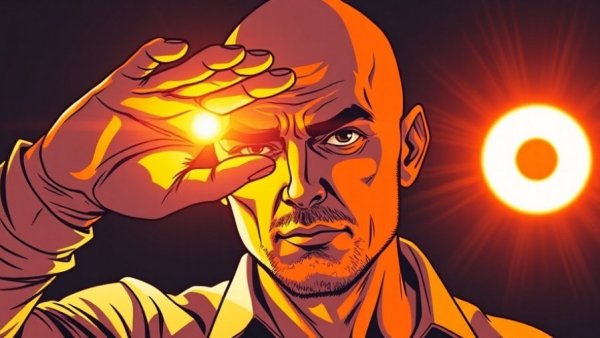
Constance Waing, the former Chief Operating Officer of FTX, has brought to light the serious implications of Netflix’s recent portrayal of Changpeng Zhao, also known as CZ, in the series The Altruists. Waing describes the representation as reliant on outdated stereotypes, specifically labeling it as 'very racist.' Reflecting on the influence of media portrayals, it raises an important discussion surrounding the responsibility of filmmakers in accurately depicting culture and community. The show’s dramatization of Bankman-Fried's rise and fall in the crypto realm includes a contentious scene where Zhao is characterized in a manner reminiscent of mafia tropes. This portrayal, which Waing points out as particularly damaging, not only misrepresents Zhao—a respected figure in the digital currency space—but also perpetuates harmful stereotypes about Asians. The ramifications of such representations extend far beyond entertainment; they can influence public perception and compound social biases.
Realities of FTX: A Behind-the-Scenes Look
Waing, alongside her former colleagues, challenges the authenticity of the series, viewing it as a dramatization that veers toward fictional narratives. The show’s depiction of lavish office parties and camaraderie among executives stands in stark contrast to the grim realities faced by many employees before the company's collapse. For instance, Waing recounts the pressing financial struggles of employees who kept their assets within FTX, highlighting the dire consequences of their misplaced trust. This juxtaposition of reality and dramatization underscores the critical need for accurate storytelling in an industry already scarred by public distrust.
Public Response and Backlash: Perspectives from the Crypto Community
Following the airing of The Altruists, public figures within the crypto community, including Ethereum co-founder Vitalik Buterin, have voiced criticism. Buterin’s comments highlighted concerns regarding Zhao’s exaggerated accent and the impact such portrayals can have on public perception. This criticism speaks to a larger issue in the media concerning character representation and the consequent stereotypes that can arise, especially in narratives connected to significant economic events like the downfall of FTX.
The Role of Media in Shaping Narratives
The fallout from this controversy raises a critical question: Why is accurate representation in media so fundamentally important? When media adopts a sensationalized approach to retelling real events, it risks oversimplifying complex stories and reinforcing societal stereotypes. Notably, Graham Moore, the series creator, defended his creative choices by labeling controversial scenes as fictional. However, such a defense does little to assuage collective concerns—viewers are more likely to remember the portrayals than the disclaimer of fiction.
Implications for Future Productions
The conversation around cultural sensitivity in media representation has never been more pertinent, especially in light of global dialogues about race and representation. As consumer awareness grows, filmmakers are increasingly called to account for the narratives they choose to promote. Waing’s objections serve as a reminder for content creators to engage with the communities they portray and strive to uplift authentic voices instead of relying on cliched tropes.
In conclusion, media portrayals hold significant power in shaping public narratives. The outcry following The Altruists emphasizes the industry’s need for careful consideration of how it depicts diverse cultures. Moving forward, creators must recognize their responsibility within the broader societal context while providing representations that not only engage viewers but also contribute to a more informed and respectful discourse.












Write A Comment