

Meme Crypto News Logo
Meme Crypto News
  • Home
  • Categories
    • Radar
    • Pulse
    • Security
    • Founder
    • Metrics
    • Launch
    • Tech
    • Political
    • Extra News
November 18.2026
2 Minutes Read

Eastern Europe's Crypto Economy: Survival amid Refugee Exodus and Tax Hikes

Refugees, ATMs, and Tax Shifts: What’s Driving Crypto in Eastern Europe

The Challenges Facing Eastern Europe’s Crypto Economy

Despite the global rise in cryptocurrency adoption, Eastern Europe has stumbled remarkably, marking a significant downturn of 7.9%, plunging its crypto economy from $697.1 billion to $642.1 billion. This decline stands out starkly against a modest global fall of just 1.6%. A closer examination unveils that the issues transcend mere market fluctuations, as they correlate intricately with local economic and political dynamics, particularly the ongoing fallout from Russia's invasion of Ukraine.

How Refugee Flows Influence Crypto Trends

The ongoing war has led to a pronounced shift in transaction patterns, with Ukrainian refugees playing a pivotal role in Eastern Europe's crypto landscape. As countries like Poland and Romania welcomed substantial Ukrainian populations, they were also compelled to adapt their financial services to accommodate the emerging needs of these refugees. Remarkably, wallet-to-wallet transfers into Ukraine reached an astounding $12 billion, inherently tied to the population influx. Countries with larger Ukrainian diasporas, such as Canada, have reported higher crypto remittances, showcasing a nuanced aspect of crypto utility in times of crisis.

The Rise of Retail Transfers Amidst Economic Constraints

Another significant trend is the shift toward smaller, retail-sized transactions. As larger investment transfers diminish, retail transfers (those under $10,000) are making up a larger share of the crypto economy, contributing to 13.1% of the outbound crypto value in Eastern Europe. This pivot indicates a growing reliance on cryptocurrencies for everyday transactions, driven by economic uncertainty and shifting regulatory landscapes.

Why ATMs Are Thriving in the Region

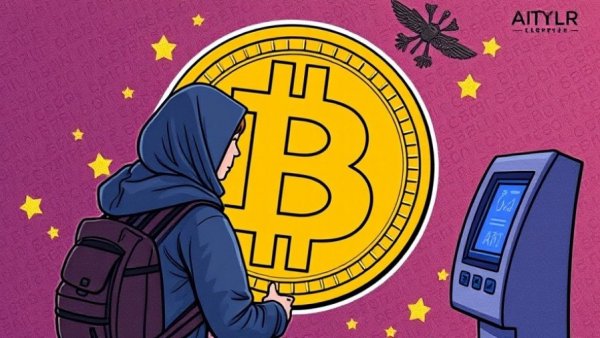
Eastern Europe has seen an unlikely rise in cash-heavy crypto services, particularly via ATMs, growing by nearly 1.5% amidst a global decline. Poland and Romania, leading the charge, accounted for a staggering 92% of this growth. The increasing accessibility offered by ATMs coincides with a palpable shift in user preferences, as many users navigated away from centralized exchanges following regulatory changes, further propelling instant and decentralized platforms into the limelight.

A Future Shaped by Innovation and Adaptation

Ultimately, Eastern Europe's crypto future hinges on its ability to adapt to shifting economic realities and user behaviors. The current landscape, characterized by retail dominance and refugee-influenced flows, presents unique challenges but also immense opportunities for innovation within the crypto sector. Only time will tell how the region navigates these turbulent waters, but what is clear is that the dynamics of cryptocurrency are ever-evolving.

Security

0 Views

0 Comments

Write A Comment

*
*
Please complete the captcha to submit your comment.
Related Posts All Posts
11.18.2026

Could AI Agents Trigger Faster Bank Runs? Insights for Crypto Traders

Update AI Agents: A Double-Edged Sword in Banking In a landscape where technology continuously reshapes finance, AI agents have emerged as both revolutionary tools and potential harbingers of risk. Federal Reserve Governor Michael Barr recently raised alarms about autonomous AI agents and their capacity to accelerate bank runs. These sophisticated agents can swiftly relocate customer deposits in response to various market signals, leading to the destabilization of the financial system. The combination of high-speed transactions and automation gives rise to pressing concerns, particularly as financial markets become increasingly interconnected. The Risks of Rapid Fund Movements According to Barr, the speed at which AI systems operate poses significant challenges. “We need to reduce the risk that AI reinforces biases in consumer lending,” he stated. His concerns center not only on lending practices but also on systemic risks that could arise from AI’s rapid execution of trades and transactions. Such behavior could result in market manipulation or create volatility that has widespread ramifications for market stability. For example, a sudden shift in investor sentiment prompted by AI-driven trading could spark a cascade of sell-offs, severely impacting liquidity and leading to broader economic turbulence. Urgent Need for Regulatory Safeguards As AI continues to evolve, regulators emphasize the necessity of implementing strict technical limits on AI capabilities. Barr calls for rules-based and value-based constraints to prevent destabilizing fund movements. In light of the increasing sophistication of these agents, at least five major U.S. banks, including JPMorgan Chase, Citigroup, Bank of America, Wells Fargo, and Morgan Stanley, have begun blocking external AI agents from accessing their customers' accounts. This emphasizes the critical need for robust authentication processes to ensure all AI operations are genuinely customer-directed. Implementing strong regulations and guidelines will help in safeguarding the interests of customers while promoting a responsible and ethical approach to technology usage in financial sectors. Concerns from Financial Institutions The Federal Reserve's latest Financial Stability Report highlights that an overwhelming 87% of survey participants expressed significant concerns regarding the risks associated with AI. Many highlighted the dangers of herd behavior in trading, where AI-driven actions could lead to rapid liquidity pressures during stressful market scenarios. Such responses amplify existing fears regarding AI's unpredictable nature in volatile trading environments. Financial institutions are increasingly acknowledging the need for transparency in AI's decision-making processes, ensuring that algorithmic actions are subject to scrutiny and oversight. Striking a Balance Between Innovation and Safety While it is undeniable that AI holds the potential to revolutionize financial services by streamlining processes and enhancing efficiency, the accompanying risks cannot be ignored. The development of guidelines to mitigate risks—both technical and ethical—will be crucial in defining how the industry embraces AI without compromising financial stability. Collaboration among banks, regulators, and technology developers will be essential in establishing a balanced framework that supports innovation while enforcing security measures. Continued engagement in industry discussions and conferences can provide stakeholders with the necessary insights to navigate the evolving landscape effectively. Actionable Insights for Crypto Traders As crypto traders, it's imperative to remain vigilant regarding the implications of such technologies in the trading landscape. Understanding the potential for rapid AI-fueled fund movements may help traders navigate the complex interplay of technology and finance. Effective risk management strategies should factor in these emerging technologies while maintaining a forward-looking approach in this dynamic market. For instance, adopting hedging strategies or diversifying portfolios can serve as buffers against unexpected market shifts triggered by AI behavior. In conclusion, the dialogue surrounding AI's role in finance is essential for all affected parties, especially for those involved in cryptocurrencies. As the landscape evolves, being informed about these changes will allow traders not only to adapt but to thrive amidst potential disruptions. Stay connected with developments in regulatory practices and technological advancements to ensure informed decision-making in your trading strategies. Engaging with communities focused on AI and fintech can further bolster understanding and preparedness, helping traders anticipate and react effectively to rapid shifts in the market.

11.18.2026

Preventing Crypto Heists: Lessons From the $10 Million Lighter Hack

Update The Anatomy of the Hack: What Really Happened?The incident involving the decentralized exchange (DEX) known as Lighter is a stark reminder of the vulnerabilities that exist within the burgeoning world of cryptocurrency. A hacker successfully exploited a trader’s account on the Ethereum-based platform, managing to siphon off a staggering $10 million in cryptocurrencies. This exploit hinged on a compromised API key—an oversight that reignites discussions around digital security in decentralized finance (DeFi). PeckShield, a blockchain security firm, reported the break-in early Monday, highlighting how the attacker bridged 640 ETH to Hyperliquid to acquire Monero, a famously private cryptocurrency known for its untraceable transactions.Understanding API Key VulnerabilitiesAPI keys are cryptographic keys that allow applications to communicate securely. However, the case of Lighter demonstrates how a single compromised API key can lead to substantial financial loss. The exchange reported that the breach did not extend to its core infrastructure, smart contracts, or the broader trading protocol—which suggests that user education about key management is essential. Essentially, every transaction on Lighter is secured by a signature generated through an API key accompanied by a nonce, a unique number that must remain unpredictable. The failure to regenerate this component can lead to catastrophic security breaches, not just on Lighter, but across the blockchain landscape.The Wider Implications for Crypto TradersFor crypto traders, particularly those in the 25-45 age bracket and who are predominantly risk-tolerant professionals, this incident underscores a critical need for robust security practices. Lighter's native token, LIT, has seen a marked decline, trading down over 17 percent in the last week alone, as it struggles to regain investor confidence amidst the fallout. As tech-savvy investors, traders must be proactive in safeguarding their assets by employing measures such as hardware wallets, multi-factor authentication, and vigilant monitoring of API keys. The reality is that any breach can potentially erode trust in the ecosystem, thus deterring new investors and destabilizing markets.A Historical Perspective: Past Exploits in DEXsHistorically, decentralized exchanges have faced numerous security challenges. Instances like the hack of the SushiSwap platform in 2021 remind us that vulnerabilities stemming from mishandled keys can impact entire trading systems. While the technology promises groundbreaking innovations in finance, it remains susceptible to traditional exploit techniques. This ongoing cycle of breaches establishes a pressing requirement for regulatory frameworks and community-driven standards to ensure the safety of digital assets.Future Predictions: Crypto Security and RegulationLooking ahead, the future of crypto security and regulation seems poised for transformation. As hacks like the one that affected Lighter draw intensified scrutiny from regulatory bodies, one can anticipate the implementation of more stringent security protocols across the DeFi landscape. Professionals in the crypto trading sphere should prepare for an era where compliance might include mandatory audits, enhanced encryption for API communications, and possibly tiers of risk assessment for traders based on their operational activities. Riding the tide of change will mean embracing a more fortified approach to trading that values not only innovation but also security.Conclusion: Why Security Should Be Your PriorityThis incident serves as a wake-up call for both seasoned and novice crypto investors. Disregarding security can have dire consequences, as evidenced by Lighter’s unfortunate experience. As the digital finance realm evolves, so too must our approach to safeguarding assets. It is vital for traders to prioritize security measures and self-education amidst the turbulent waters of cryptocurrency.

11.18.2026

Why the Uber Data Breach of 150,000 Drivers Should Worry Crypto Traders

Update Understanding the Data Breach: What Happened? In a troubling revelation for Uber, hackers have stolen sensitive driver’s license data of nearly 150,000 drivers due to a data breach at Fireworks AI, an artificial intelligence service provider. The breach occurred when cybercriminals compromised Fireworks AI's internal credentials, allowing access to Uber’s account where the sensitive data was stored securely in a cloud environment. Undoubtedly, this event showcases vulnerabilities in cybersecurity practices that can have widespread repercussions for individual privacy. The Technicalities Behind the Breach Uber reported the breach occurred as early as October 7th when the unauthorized third-party accessed its system. In notices sent to state attorneys general, Uber explained that although alerts were configured to trigger upon unauthorized access, they failed to activate because the hackers utilized valid credentials. This raises a significant concern about the robustness of security protocols employed by third-party vendors—especially in the high-stakes world of AI services. The Financial Motivation: A Deeper Dive The threat posed by financially motivated cybercriminals is increasing. Fireworks AI has suggested that this operational model is aligned with contemporary cyber threats, pointing towards a gang that profits by exploiting security gaps, particularly those related to large language models. As organizations increasingly rely on AI to enhance their operations, it is imperative to understand how this dependency could inadvertently create vulnerabilities that hackers are all too eager to exploit. Implications for Uber's Reputation and Operations Uber's immediate actions after the breach included severing connections with the service provider and launching an internal investigation. However, the fallout could impact its reputation significantly, especially among users who value their data privacy. This incident underscores the evolving landscape of cybersecurity where tech giants must constantly evaluate their partnerships and the potential risks these connections may invite. Protecting Yourself in an Era of Data Breaches For users and drivers alike, the breach signifies a wake-up call about personal data protection. Users should remain vigilant regarding their personal information, especially when engaging with platforms like Uber. Monitoring one’s personal accounts and considering identity theft protection services could be prudent steps in safeguarding against misuse of stolen data. Future Predictions: The Role of AI in Cybersecurity The increasing sophistication of AI also paves the way for better cybersecurity measures. As cybercriminals develop more advanced techniques, integrating AI into security measures could provide robust solutions for detecting and preventing such breaches. Companies must invest in AI-driven cybersecurity tools that can predict and respond to threats in real time. Counterarguments and Diverse Perspectives While some may argue that reliance on cloud services and AI enhances operational efficiency, there's a growing concern regarding vendor management and data security practices. Not all tech adopters understand the implications of these connections, making education around cybersecurity even more essential. The debate continues within the industry about where the balance lies between leveraging technological advancements and enforcing stringent security measures. The recent breach incident at Uber emphasizes the pressing need for all stakeholders, from users to corporations, to understand the significance of cybersecurity in our increasingly connected world. As the reality of cyber threats becomes more palpable, it is imperative that we cultivate a culture of security awareness and proactive measures for data protection. Additionally, as a tech-savvy audience engaged in cryptocurrencies and blockchain technology, understanding these vulnerabilities is crucial in assessing the future of digital assets that rely heavily on security. Knowledge is power, and staying informed about breaches allows individuals to make better decisions in their investments.

Meme & Crypto News

Welcome to MemeCryptoNews, your go-to destination for the latest and most engaging news in the world of cryptocurrency and meme culture!

At MemeCryptoNews, we believe that the intersection of cryptocurrency and memes represents a unique and dynamic space that deserves dedicated coverage. Our mission is to provide our readers with insightful, accurate, and entertaining content that keeps them informed and amused.

Advertise
MemeCryptoNews.com
SeamanDan.com
Dan Seaman Media Press Pass

ABOUT US

SeamanDan LLC is a modern news media agency creating niche digital channels that inform and engage. We specialize in launching focused platforms that deliver impactful content.  Our current brands include:
Parallel Health World
AI Insights Hub
MLM News AI
Rider Safe News
Meme Crypto News

Rugged Trails Network
Recreation Wave
Outdoor Odyssey News
Eco-Innovation Hub
Metal Green Innovators
Autism Foundation News

At SeamanDan LLC, we don't just report the news we create platforms that build communities, foster trust, and drive forward-thinking conversations.  Can we build a channel for you?

© 2026 Meme Crypto News All Rights Reserved. 810 N Main St #187, Spearfish, SD 57783 . Contact Us . Terms of Service . Privacy Policy

eyJjb21wYW55IjoiTWVtZSBDcnlwdG8gTmV3cyIsImFkZHJlc3MiOiI4MTAgTiBNYWluIFN0ICMxODciLCJjaXR5IjoiU3BlYXJmaXNoIiwic3RhdGUiOiJTRCIsInppcCI6IjU3NzgzIiwiZW1haWwiOiJzZWFtYW5kYW5Ac2VhbWFuZGFuLmNvbSIsInRvcyI6IlBIQStQSE4wY205dVp6NDhaVzArVjJobGJpQjViM1VnYzJsbmJpMXBiaUIzYVhSb0lIVnpMQ0I1YjNVZ1lYSmxJR2RwZG1sdVp5WnVZbk53T3lCNWIzVnlJSEJsY20xcGMzTnBiMjRnWVc1a0lHTnZibk5sYm5RZ2RHOGdjMlZ1WkNCNWIzVWdaVzFoYVd3Z1lXNWtMMjl5SUZOTlV5QjBaWGgwSUcxbGMzTmhaMlZ6TGlCQ2VTQmphR1ZqYTJsdVp5QjBhR1VnVkdWeWJYTWdZVzVrSUVOdmJtUnBkR2x2Ym5NZ1ltOTRJR0Z1WkNCaWVTQnphV2R1YVc1bklHbHVJSGx2ZFNCaGRYUnZiV0YwYVdOaGJHeDVJR052Ym1acGNtMGdkR2hoZENCNWIzVWdZV05qWlhCMElHRnNiQ0IwWlhKdGN5QnBiaUIwYUdseklHRm5jbVZsYldWdWRDNDhMMlZ0UGp3dmMzUnliMjVuUGp3dmNENEtDanh3UGp4aElHaHlaV1k5SW1oMGRIQnpPaTh2YldWdFpXTnllWEIwYjI1bGQzTXVZMjl0SWlCMFlYSm5aWFE5SWw5elpXeG1JajVvZEhSd2N6b3ZMMjFsYldWamNubHdkRzl1WlhkekxtTnZiVHd2WVQ0OEwzQStDZ284Y0Q0bWJtSnpjRHM4TDNBK0NnbzhjRDQ4YzNSeWIyNW5QbE5GVWxaSlEwVThMM04wY205dVp6NDhMM0ErQ2dvOGNENVhaU0J3Y205MmFXUmxJR0VnYzJWeWRtbGpaU0IwYUdGMElHTjFjbkpsYm5Sc2VTQmhiR3h2ZDNNZ2VXOTFJSFJ2SUhKbFkyVnBkbVVnY21WeGRXVnpkSE1nWm05eUlHWmxaV1JpWVdOckxDQmpiMjF3WVc1NUlHbHVabTl5YldGMGFXOXVMQ0J3Y205dGIzUnBiMjVoYkNCcGJtWnZjbTFoZEdsdmJpd2dZMjl0Y0dGdWVTQmhiR1Z5ZEhNc0lHTnZkWEJ2Ym5Nc0lHUnBjMk52ZFc1MGN5QmhibVFnYjNSb1pYSWdibTkwYVdacFkyRjBhVzl1Y3lCMGJ5QjViM1Z5SUdWdFlXbHNJR0ZrWkhKbGMzTWdZVzVrTDI5eUlHTmxiR3gxYkdGeUlIQm9iMjVsSUc5eUlHUmxkbWxqWlM0Z1dXOTFJSFZ1WkdWeWMzUmhibVFnWVc1a0lHRm5jbVZsSUhSb1lYUWdkR2hsSUZObGNuWnBZMlVnYVhNZ2NISnZkbWxrWldRZ0puRjFiM1E3UVZNdFNWTW1jWFZ2ZERzZ1lXNWtJSFJvWVhRZ2QyVWdZWE56ZFcxbElHNXZJSEpsYzNCdmJuTnBZbWxzYVhSNUlHWnZjaUIwYUdVZ2RHbHRaV3hwYm1WemN5d2daR1ZzWlhScGIyNHNJRzFwY3kxa1pXeHBkbVZ5ZVNCdmNpQm1ZV2xzZFhKbElIUnZJSE4wYjNKbElHRnVlU0IxYzJWeUlHTnZiVzExYm1sallYUnBiMjV6SUc5eUlIQmxjbk52Ym1Gc2FYcGhkR2x2YmlCelpYUjBhVzVuY3k0OEwzQStDZ284Y0Q1WmIzVWdZWEpsSUhKbGMzQnZibk5wWW14bElHWnZjaUJ2WW5SaGFXNXBibWNnWVdOalpYTnpJSFJ2SUhSb1pTQlRaWEoyYVdObElHRnVaQ0IwYUdGMElHRmpZMlZ6Y3lCdFlYa2dhVzUyYjJ4MlpTQjBhR2x5WkNCd1lYSjBlU0JtWldWeklDaHpkV05vSUdGeklGTk5VeUIwWlhoMElHMWxjM05oWjJWekxDQkpiblJsY201bGRDQnpaWEoyYVdObElIQnliM1pwWkdWeUlHOXlJR05sYkd4MWJHRnlJR0ZwY25ScGJXVWdZMmhoY21kbGN5a3VJRmx2ZFNCaGNtVWdjbVZ6Y0c5dWMybGliR1VnWm05eUlIUm9iM05sSUdabFpYTXNJR2x1WTJ4MVpHbHVaeUIwYUc5elpTQm1aV1Z6SUdGemMyOWphV0YwWldRZ2QybDBhQ0IwYUdVZ1pHbHpjR3hoZVNCdmNpQmtaV3hwZG1WeWVTQnZaaUJsWVdOb0lGTk5VeUIwWlhoMElHMWxjM05oWjJVZ2MyVnVkQ0IwYnlCNWIzVWdZbmtnZFhNdUlFbHVJR0ZrWkdsMGFXOXVMQ0I1YjNVZ2JYVnpkQ0J3Y205MmFXUmxJR0Z1WkNCaGNtVWdjbVZ6Y0c5dWMybGliR1VnWm05eUlHRnNiQ0JsY1hWcGNHMWxiblFnYm1WalpYTnpZWEo1SUhSdklHRmpZMlZ6Y3lCMGFHVWdVMlZ5ZG1salpTQmhibVFnY21WalpXbDJaU0IwYUdVZ1UwMVRJSFJsZUhRZ2JXVnpjMkZuWlhNdUlGZGxJR1J2SUc1dmRDQmphR0Z5WjJVZ1lXNTVJR1psWlhNZ1ptOXlJR1JsYkdsMlpYSjVJRzltSUdWdFlXbHNJRzl5SUZOTlV5NGdWR2hwY3lCcGN5QmhJR1p5WldVZ2MyVnlkbWxqWlNCd2NtOTJhV1JsWkNCaWVTQjFjeTRnU0c5M1pYWmxjaXdnY0d4bFlYTmxJR05vWldOcklIZHBkR2dnZVc5MWNpQnBiblJsY201bGRDQnpaWEoyYVdObElIQnliM1pwWkdWeUlHRnVaQ0JqWld4c2RXeGhjaUJqWVhKeWFXVnlJR1p2Y2lCaGJua2dZMmhoY21kbGN5QjBhR0YwSUcxaGVTQnBibU4xY2lCaGN5QmhJSEpsYzNWc2RDQm1jbTl0SUhKbFkyVnBkbWx1WnlCbGJXRnBiQ0JoYm1RZ1UwMVRJSFJsZUhRZ2JXVnpjMkZuWlhNZ2RHaGhkQ0IzWlNCa1pXeHBkbVZ5SUhWd2IyNGdlVzkxY2lCdmNIUXRhVzRnWVc1a0lISmxaMmx6ZEhKaGRHbHZiaUIzYVhSb0lHOTFjaUJsYldGcGJDQmhibVFnVTAxVElITmxjblpwWTJWekxpQlpiM1VnWTJGdUlHTmhibU5sYkNCaGRDQmhibmtnZEdsdFpTNGdTblZ6ZENCMFpYaDBJQ1p4ZFc5ME8xTlVUMUFtY1hWdmREc2dkRzhtYm1KemNEczhhR2xuYUd4cFoyaDBJR05zWVhOelBTSmpiMjF3WVc1NVUwMVRVR2h2Ym1WVmNHUmhkR1VpUGpZM09DMDBOemd0TkRZNU1Ed3ZhR2xuYUd4cFoyaDBQaTRnUVdaMFpYSWdlVzkxSUhObGJtUWdkR2hsSUZOTlV5QnRaWE56WVdkbElDWnhkVzkwTzFOVVQxQW1jWFZ2ZERzZ2RHOGdkWE1zSUhkbElIZHBiR3dnYzJWdVpDQjViM1VnWVc0Z1UwMVRJRzFsYzNOaFoyVWdkRzhnWTI5dVptbHliU0IwYUdGMElIbHZkU0JvWVhabElHSmxaVzRnZFc1emRXSnpZM0pwWW1Wa0xpQkJablJsY2lCMGFHbHpMQ0I1YjNVZ2QybHNiQ0J1YnlCc2IyNW5aWElnY21WalpXbDJaU0JUVFZNZ2JXVnpjMkZuWlhNZ1puSnZiU0IxY3k0OEwzQStDZ284Y0Q0OGMzUnliMjVuUGxsUFZWSWdVa1ZIU1ZOVVVrRlVTVTlPSUU5Q1RFbEhRVlJKVDA1VFBDOXpkSEp2Ym1jK1BDOXdQZ29LUEhBK1NXNGdZMjl1YzJsa1pYSmhkR2x2YmlCdlppQjViM1Z5SUhWelpTQnZaaUIwYUdVZ1UyVnlkbWxqWlN3Z2VXOTFJR0ZuY21WbElIUnZPand2Y0Q0S0NqeHZiRDRLQ1R4c2FUNXdjbTkyYVdSbElIUnlkV1VzSUdGalkzVnlZWFJsTENCamRYSnlaVzUwSUdGdVpDQmpiMjF3YkdWMFpTQnBibVp2Y20xaGRHbHZiaUJoWW05MWRDQjViM1Z5YzJWc1ppQmhjeUJ3Y205dGNIUmxaQ0JpZVNCMGFHVWdVMlZ5ZG1salpTWWpNems3Y3lCeVpXZHBjM1J5WVhScGIyNGdabTl5YlNBb2MzVmphQ0JwYm1admNtMWhkR2x2YmlCaVpXbHVaeUIwYUdVZ0puRjFiM1E3VW1WbmFYTjBjbUYwYVc5dUlFUmhkR0VtY1hWdmREc3BJR0Z1WkR3dmJHaytDZ2s4YkdrK2JXRnBiblJoYVc0Z1lXNWtJSEJ5YjIxd2RHeDVJSFZ3WkdGMFpTQjBhR1VnVW1WbmFYTjBjbUYwYVc5dUlFUmhkR0VnZEc4Z2EyVmxjQ0JwZENCMGNuVmxMQ0JoWTJOMWNtRjBaU3dnWTNWeWNtVnVkQ0JoYm1RZ1kyOXRjR3hsZEdVdUlFbG1JSGx2ZFNCd2NtOTJhV1JsSUdGdWVTQnBibVp2Y20xaGRHbHZiaUIwYUdGMElHbHpJSFZ1ZEhKMVpTd2dhVzVoWTJOMWNtRjBaU3dnYm05MElHTjFjbkpsYm5RZ2IzSWdhVzVqYjIxd2JHVjBaU3dnYjNJZ2QyVWdhR0YyWlNCeVpXRnpiMjVoWW14bElHZHliM1Z1WkhNZ2RHOGdjM1Z6Y0dWamRDQjBhR0YwSUhOMVkyZ2dhVzVtYjNKdFlYUnBiMjRnYVhNZ2RXNTBjblZsTENCcGJtRmpZM1Z5WVhSbExDQnViM1FnWTNWeWNtVnVkQ0J2Y2lCcGJtTnZiWEJzWlhSbExDQjNaU0JvWVhabElIUm9aU0J5YVdkb2RDQjBieUJ6ZFhOd1pXNWtJRzl5SUR4emRISnZibWMrUEhOd1lXNGdjM1I1YkdVOUltTnZiRzl5T2lOR1JqQXdNREE3SWo1MFpYSnRhVzVoZEdVZ2VXOTFjaUJoWTJOdmRXNTBMM0J5YjJacGJHVWdZVzVrSUhKbFpuVnpaU0JoYm5rZ1lXNWtJR0ZzYkNCamRYSnlaVzUwSUc5eUlHWjFkSFZ5WlNCMWMyVWdiMllnZEdobElGTmxjblpwWTJVZ0tHOXlJR0Z1ZVNCd2IzSjBhVzl1SUhSb1pYSmxiMllwTGp3dmMzQmhiajQ4TDNOMGNtOXVaejQ4TDJ4cFBnbzhMMjlzUGdvS1BIQStKbTVpYzNBN1BDOXdQZ284YUdsbmFHeHBaMmgwSUdOc1lYTnpQU0pqYjIxd1lXNTVUbUZ0WlZWd1pHRjBaU0krVFdWdFpTQkRjbmx3ZEc4Z1RtVjNjend2YUdsbmFHeHBaMmgwUGp4aWNpQXZQZ284YUdsbmFHeHBaMmgwSUdOc1lYTnpQU0pqYjIxd1lXNTVRV1JrY21WemMxVndaR0YwWlNJK09ERXdJRTRnVFdGcGJpQlRkQ0FqTVRnM0xDQlRjR1ZoY21acGMyZ3NJRk5FSURVM056Z3pQQzlvYVdkb2JHbG5hSFErUEdKeUlDOCtDanhvYVdkb2JHbG5hSFFnWTJ4aGMzTTlJbU52YlhCaGJubFFhRzl1WlZWd1pHRjBaU0krTmpjNExUUTNPQzAwTmprd1BDOW9hV2RvYkdsbmFIUStQR0p5SUM4K0NqeG9hV2RvYkdsbmFIUWdZMnhoYzNNOUltTnZiWEJoYm5sRmJXRnBiRlZ3WkdGMFpTSStjMlZoYldGdVpHRnVRSE5sWVcxaGJtUmhiaTVqYjIwOEwyaHBaMmhzYVdkb2REND0iLCJwcml2YWN5IjoiUEhBK1BITjBjbTl1Wno1UVVrbFdRVU5aUEM5emRISnZibWMrUEM5d1Bnb0tQSEErUEhOMGNtOXVaejVVYUdVZ2FXNW1iM0p0WVhScGIyNGdjSEp2ZG1sa1pXUWdaSFZ5YVc1bklIUm9hWE1nY21WbmFYTjBjbUYwYVc5dUlHbHpJR3RsY0hRZ2NISnBkbUYwWlNCaGJtUWdZMjl1Wm1sa1pXNTBhV0ZzTENCaGJtUWdkMmxzYkNCdVpYWmxjaUJpWlNCa2FYTjBjbWxpZFhSbFpDd2dZMjl3YVdWa0xDQnpiMnhrTENCMGNtRmtaV1FnYjNJZ2NHOXpkR1ZrSUdsdUlHRnVlU0IzWVhrc0lITm9ZWEJsSUc5eUlHWnZjbTB1SUZSb2FYTWdhWE1nYjNWeUlHZDFZWEpoYm5SbFpTNDhMM04wY205dVp6NDhMM0ErQ2dvOGNENDhjM1J5YjI1blBrbE9SRVZOVGtsVVdUd3ZjM1J5YjI1blBqd3ZjRDRLQ2p4d1BqeGxiVDVaYjNVZ1lXZHlaV1VnZEc4Z2FXNWtaVzF1YVdaNUlHRnVaQ0JvYjJ4a0lIVnpMQ0JoYm1RZ2FYUnpJSE4xWW5OcFpHbGhjbWxsY3l3Z1lXWm1hV3hwWVhSbGN5d2diMlptYVdObGNuTXNJR0ZuWlc1MGN5d2dZMjh0WW5KaGJtUmxjbk1nYjNJZ2IzUm9aWElnY0dGeWRHNWxjbk1zSUdGdVpDQmxiWEJzYjNsbFpYTXNJR2hoY20xc1pYTnpJR1p5YjIwZ1lXNTVJR05zWVdsdElHOXlJR1JsYldGdVpDd2dhVzVqYkhWa2FXNW5JSEpsWVhOdmJtRmliR1VnWVhSMGIzSnVaWGx6SmlNek9Uc2dabVZsY3l3Z2JXRmtaU0JpZVNCaGJua2dkR2hwY21RZ2NHRnlkSGtnWkhWbElIUnZJRzl5SUdGeWFYTnBibWNnYjNWMElHOW1JRU52Ym5SbGJuUWdlVzkxSUhKbFkyVnBkbVVzSUhOMVltMXBkQ3dnY21Wd2JIa3NJSEJ2YzNRc0lIUnlZVzV6YldsMElHOXlJRzFoYTJVZ1lYWmhhV3hoWW14bElIUm9jbTkxWjJnZ2RHaGxJRk5sY25acFkyVXNJSGx2ZFhJZ2RYTmxJRzltSUhSb1pTQlRaWEoyYVdObExDQjViM1Z5SUdOdmJtNWxZM1JwYjI0Z2RHOGdkR2hsSUZObGNuWnBZMlVzSUhsdmRYSWdkbWx2YkdGMGFXOXVJRzltSUhSb1pTQlVUMU1zSUc5eUlIbHZkWElnZG1sdmJHRjBhVzl1SUc5bUlHRnVlU0J5YVdkb2RITWdiMllnWVc1dmRHaGxjaTQ4TDJWdFBqd3ZjRDRLQ2p4d1BqeHpkSEp2Ym1jK1JFbFRRMHhCU1UxRlVpQlBSaUJYUVZKU1FVNVVTVVZUUEM5emRISnZibWMrUEM5d1Bnb0tQSEErUEhOMGNtOXVaejVaVDFVZ1JWaFFVa1ZUVTB4WklGVk9SRVZTVTFSQlRrUWdRVTVFSUVGSFVrVkZJRlJJUVZRNlBDOXpkSEp2Ym1jK1BDOXdQZ29LUEc5c1Bnb0pQR3hwUGxsUFZWSWdWVk5GSUU5R0lGUklSU0JUUlZKV1NVTkZJRWxUSUVGVUlGbFBWVklnVTA5TVJTQlNTVk5MTGlCVVNFVWdVMFZTVmtsRFJTQkpVeUJRVWs5V1NVUkZSQ0JQVGlCQlRpQW1jWFZ2ZER0QlV5QkpVeVp4ZFc5ME95QkJUa1FnSm5GMWIzUTdRVk1nUVZaQlNVeEJRa3hGSm5GMWIzUTdJRUpCVTBsVExpQXNMaUJCVGtRZ1ZWTXNJRWxVSmlNek9UdFRJRU5WVTFSUFRVVlNVeXdnUlZoUVVrVlRVMHhaSUVSSlUwTk1RVWxOVXlCQlRFd2dWMEZTVWtGT1ZFbEZVeUJQUmlCQlRsa2dTMGxPUkN3Z1YwaEZWRWhGVWlCRldGQlNSVk5USUU5U0lFbE5VRXhKUlVRc0lFbE9RMHhWUkVsT1J5d2dRbFZVSUU1UFZDQk1TVTFKVkVWRUlGUlBJRlJJUlNCSlRWQk1TVVZFSUZkQlVsSkJUbFJKUlZNZ1QwWWdUVVZTUTBoQlRsUkJRa2xNU1ZSWkxDQkdTVlJPUlZOVElFWlBVaUJCSUZCQlVsUkpRMVZNUVZJZ1VGVlNVRTlUUlNCQlRrUWdUazlPTFVsT1JsSkpUa2RGVFVWT1ZDNDhMMnhwUGdvSlBHeHBQazFCUzBWVElFNVBJRmRCVWxKQlRsUlpJRlJJUVZRZ0tHa3BJRlJJUlNCVFJWSldTVU5GSUZkSlRFd2dUVVZGVkNCWlQxVlNJRkpGVVZWSlVrVk5SVTVVVXl3Z0tHbHBLU0JVU0VVZ1UwVlNWa2xEUlNCWFNVeE1JRUpGSUZWT1NVNVVSVkpTVlZCVVJVUXNJRlJKVFVWTVdTd2dVMFZEVlZKRkxDQlBVaUJGVWxKUFVpMUdVa1ZGTENBb2FXbHBLU0JVU0VVZ1VrVlRWVXhVVXlCVVNFRlVJRTFCV1NCQ1JTQlBRbFJCU1U1RlJDQkdVazlOSUZSSVJTQlZVMFVnVDBZZ1ZFaEZJRk5GVWxaSlEwVWdWMGxNVENCQ1JTQkJRME5WVWtGVVJTQlBVaUJTUlV4SlFVSk1SU3dnUVU1RUlDaHBkaWtnUVU1WklFVlNVazlTVXlCSlRpQlVTRVVnVTA5R1ZGZEJVa1VnVjBsTVRDQkNSU0JEVDFKU1JVTlVSVVF1UEM5c2FUNEtDVHhzYVQ1QlRsa2dUVUZVUlZKSlFVd2dSRTlYVGt4UFFVUkZSQ0JQVWlCUFZFaEZVbGRKVTBVZ1QwSlVRVWxPUlVRZ1ZFaFNUMVZIU0NCVVNFVWdWVk5GSUU5R0lGUklSU0JUUlZKV1NVTkZJRWxUSUVSUFRrVWdRVlFnV1U5VlVpQlBWMDRnUkVsVFExSkZWRWxQVGlCQlRrUWdVa2xUU3lCQlRrUWdWRWhCVkNCWlQxVWdWMGxNVENCQ1JTQlRUMHhGVEZrZ1VrVlRVRTlPVTBsQ1RFVWdSazlTSUVGT1dTQkVRVTFCUjBVZ1ZFOGdXVTlWVWlCRFQwMVFWVlJGVWlCVFdWTlVSVTBnVDFJZ1RFOVRVeUJQUmlCRVFWUkJJRlJJUVZRZ1VrVlRWVXhVVXlCR1VrOU5JRlJJUlNCRVQxZE9URTlCUkNCUFJpQkJUbGtnVTFWRFNDQk5RVlJGVWtsQlRDNDhMMnhwUGdvSlBHeHBQazVQSUVGRVZrbERSU0JQVWlCSlRrWlBVazFCVkVsUFRpd2dWMGhGVkVoRlVpQlBVa0ZNSUU5U0lGZFNTVlJVUlU0c0lFOUNWRUZKVGtWRUlFSlpJRmxQVlNCR1VrOU5JRTlTSUZSSVVrOVZSMGdnVDFJZ1JsSlBUU0JVU0VVZ1UwVlNWa2xEUlNCVFNFRk1UQ0JEVWtWQlZFVWdRVTVaSUZkQlVsSkJUbFJaSUU1UFZDQkZXRkJTUlZOVFRGa2dVMVJCVkVWRUlFbE9JRlJJUlNCVVQxTXVQQzlzYVQ0S1BDOXZiRDRLQ2p4d1BqeHpkSEp2Ym1jK1RFbE5TVlJCVkVsUFRpQlBSaUJNU1VGQ1NVeEpWRms4TDNOMGNtOXVaejQ4TDNBK0NnbzhjRDVaVDFVZ1JWaFFVa1ZUVTB4WklGVk9SRVZTVTFSQlRrUWdRVTVFSUVGSFVrVkZJRlJJUVZRZ1FVNUVJRk5JUVV4TUlFNVBWQ0JDUlNCTVNVRkNURVVnUms5U0lFRk9XU0JFU1ZKRlExUXNJRWxPUkVsU1JVTlVMQ0JKVGtOSlJFVk9WRUZNTENCVFVFVkRTVUZNTENCRFQwNVRSVkZWUlU1VVNVRk1JRTlTSUVWWVJVMVFURUZTV1NCRVFVMUJSMFZUTENCSlRrTk1WVVJKVGtjZ1FsVlVJRTVQVkNCTVNVMUpWRVZFSUZSUExDQkVRVTFCUjBWVElFWlBVaUJNVDFOVElFOUdJRkJTVDBaSlZGTXNJRWRQVDBSWFNVeE1MQ0JWVTBVc0lFUkJWRUVnVDFJZ1QxUklSVklnU1U1VVFVNUhTVUpNUlNCTVQxTlRSVk1nS0VWV1JVNGdTVVlnU0VGVElFSkZSVTRnUVVSV1NWTkZSQ0JQUmlCVVNFVWdVRTlUVTBsQ1NVeEpWRmtnVDBZZ1UxVkRTQ0JFUVUxQlIwVlRLU3dnVWtWVFZVeFVTVTVISUVaU1QwMDZQQzl3UGdvS1BHOXNQZ29KUEd4cFBsUklSU0JWVTBVZ1QxSWdWRWhGSUVsT1FVSkpURWxVV1NCVVR5QlZVMFVnVkVoRklGTkZVbFpKUTBVN1BDOXNhVDRLQ1R4c2FUNVVTRVVnUTA5VFZDQlBSaUJRVWs5RFZWSkZUVVZPVkNCUFJpQlRWVUpUVkVsVVZWUkZJRWRQVDBSVElFRk9SQ0JUUlZKV1NVTkZVeUJTUlZOVlRGUkpUa2NnUmxKUFRTQkJUbGtnUjA5UFJGTXNJRVJCVkVFc0lFbE9SazlTVFVGVVNVOU9JRTlTSUZORlVsWkpRMFZUSUZCVlVrTklRVk5GUkNCUFVpQlBRbFJCU1U1RlJDQlBVaUJOUlZOVFFVZEZVeUJTUlVORlNWWkZSQ0JQVWlCVVVrRk9VMEZEVkVsUFRsTWdSVTVVUlZKRlJDQkpUbFJQSUZSSVVrOVZSMGdnVDFJZ1JsSlBUU0JVU0VVZ1UwVlNWa2xEUlRzOEwyeHBQZ29KUEd4cFBsVk9RVlZVU0U5U1NWcEZSQ0JCUTBORlUxTWdWRThnVDFJZ1FVeFVSVkpCVkVsUFRpQlBSaUJaVDFWU0lGUlNRVTVUVFVsVFUwbFBUbE1nVDFJZ1JFRlVRVHM4TDJ4cFBnb0pQR3hwUGxOVVFWUkZUVVZPVkZNZ1QxSWdRMDlPUkZWRFZDQlBSaUJCVGxrZ1ZFaEpVa1FnVUVGU1ZGa2dUMDRnVkVoRklGTkZVbFpKUTBVN0lFOVNQQzlzYVQ0S0NUeHNhVDVCVGxrZ1QxUklSVklnVFVGVVZFVlNJRkpGVEVGVVNVNUhJRlJQSUZSSVJTQlRSVkpXU1VORkxqd3ZiR2srQ2p3dmIydytDZ284Y0Q0OGRUNUNlU0J5WldkcGMzUmxjbWx1WnlCaGJtUWdjM1ZpYzJOeWFXSnBibWNnZEc4Z2IzVnlJR1Z0WVdsc0lHRnVaQ0JUVFZNZ2MyVnlkbWxqWlN3Z1lua2diM0IwTFdsdUxDQnZibXhwYm1VZ2NtVm5hWE4wY21GMGFXOXVJRzl5SUdKNUlHWnBiR3hwYm1jZ2IzVjBJR0VnWTJGeVpDd2dKbkYxYjNRN2VXOTFJR0ZuY21WbElIUnZJSFJvWlhObElGUkZVazFUSUU5R0lGTkZVbFpKUTBVbWNYVnZkRHNnWVc1a0lIbHZkU0JoWTJ0dWIzZHNaV1JuWlNCaGJtUWdkVzVrWlhKemRHRnVaQ0IwYUdVZ1lXSnZkbVVnZEdWeWJYTWdiMllnYzJWeWRtbGpaU0J2ZFhSc2FXNWxaQ0JoYm1RZ1pHVjBZV2xzWldRZ1ptOXlJSGx2ZFNCMGIyUmhlUzQ4TDNVK1BDOXdQZ29LUEhBK0ptNWljM0E3UEM5d1BnbzhhR2xuYUd4cFoyaDBJR05zWVhOelBTSmpiMjF3WVc1NVRtRnRaVlZ3WkdGMFpTSStUV1Z0WlNCRGNubHdkRzhnVG1WM2N6d3ZhR2xuYUd4cFoyaDBQanhpY2lBdlBnbzhhR2xuYUd4cFoyaDBJR05zWVhOelBTSmpiMjF3WVc1NVFXUmtjbVZ6YzFWd1pHRjBaU0krT0RFd0lFNGdUV0ZwYmlCVGRDQWpNVGczTENCVGNHVmhjbVpwYzJnc0lGTkVJRFUzTnpnelBDOW9hV2RvYkdsbmFIUStQR0p5SUM4K0NqeG9hV2RvYkdsbmFIUWdZMnhoYzNNOUltTnZiWEJoYm5sUWFHOXVaVlZ3WkdGMFpTSStOamM0TFRRM09DMDBOamt3UEM5b2FXZG9iR2xuYUhRK1BHSnlJQzgrQ2p4b2FXZG9iR2xuYUhRZ1kyeGhjM005SW1OdmJYQmhibmxGYldGcGJGVndaR0YwWlNJK2MyVmhiV0Z1WkdGdVFITmxZVzFoYm1SaGJpNWpiMjA4TDJocFoyaHNhV2RvZEQ0PSJ9

Terms of Service

Privacy Policy

Core Modal Title

Sorry, no results found

You Might Find These Articles Interesting

T
Please Check Your Email
We Will Be Following Up Shortly
*
*
*