

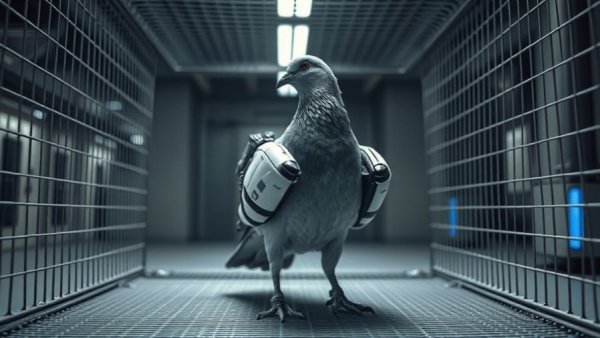
Unleashing Biodrones: The New Frontier in Aerial Technology
In a world where technology continues to push the boundaries of the possible, a Russian company named Neiry is making headlines with its innovative use of pigeons as flying cameras, which they are calling "biodrones." This method of utilizing live birds equipped with neural implants showcases a blend of nature and technology that might sound like science fiction, but is rapidly becoming reality.
How Do Biodrones Work?
Neiry's biodrones are fitted with lightweight controllers, solar panels, and cameras that capture high-resolution images from the sky. Unlike conventional drones, these pigeons can overcome obstacles naturally, making them ideal for various applications such as infrastructure inspections and environmental monitoring. What's even more fascinating is that operators can guide these birds from more than 62 miles away, with the potential for them to cover distances of up to 400 kilometers in a single day.
Historical Context of Animal-Assisted Technology
The concept of using animals for reconnaissance is not new. During the Cold War, the CIA experimented with pigeons equipped with tiny cameras for reconnaissance missions. However, those efforts ultimately fell flat due to reliability issues. Today, Neiry seeks to capitalize on advancements in technology to create a more efficient and reliable system, although concerns about animal welfare and ethics remain paramount.
Current Concerns and Ethical Debates
As innovative as Neiry's approach might be, it raises ethical questions regarding how the birds are treated and the long-term effects of the implants. Neiry claims adherence to ethical standards, yet independent analysis of the success and consequences of these implants is limited. Critics are wary of a technology that commodifies living creatures, even if the intention is to enhance efficiency and expand capabilities.
Looking Forward: The Future of Biodrones
As Neiry aims to expand its services to international markets, including Brazil and India, the implications for surveillance, agriculture, and emergency response are profound. The growing interest in biodrones could lead to debates on regulations and best practices for the use of such technology. For tech-savvy individuals and enthusiasts, understanding these developments is crucial, as they represent a unique intersection of ethical considerations and cutting-edge tech innovations.
With the potential to change how we engage with aerial photography and data collection, biodrones will likely capture the attention of various industries beyond just surveillance and inspections. As we move forward, it will be essential to monitor both the technological advancements and the ethical standards they bring with them.













Write A Comment