


The Aftermath of the Binance Hack: A Test for Crypto Resilience
The recent $6.3 billion hack of Binance, one of the largest cryptocurrency exchanges, has sent ripples through the crypto markets, shaking investor confidence yet igniting discussions about the future of digital security in this innovative space. As Grayscale’s Zach Pandl noted, such incidents may act as catalysts for strengthening security measures rather than signifying the demise of crypto investments. The recent downturn saw Bitcoin dipping below $77,000, which echoed a broader market decline, but the subsequent recovery suggests that the market remains robust amid distress.
Understanding the Impact of Security Breaches on Investor Confidence
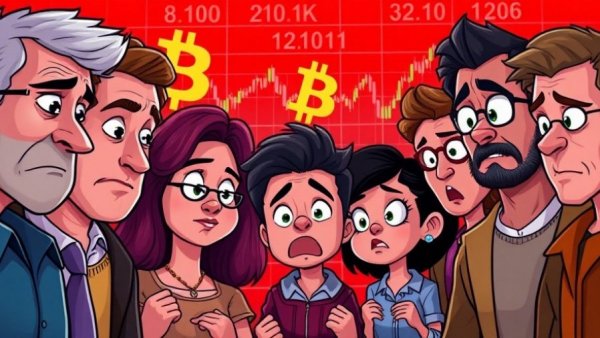
Security breaches like the one experienced by Binance often evoke panic within the financial ecosystem. The initial fallout resulted in declining prices across various cryptocurrencies, with BNB experiencing significant losses. However, investors appear resilient, with the market bouncing back and total capitalization recovering to $2.63 trillion after hitting a low of approximately $2.55 trillion.
This divergence illustrates a vital truth: while security incidents catalyze short-term volatility, they also foster innovation within the industry. Pandl emphasized how institutional custody solutions, such as those utilized by US-based exchange-traded products, present a safer route for asset management. Hence, a strong focus on security practices is critical as the crypto landscape continues to evolve.
The Role of Institutional Custody in Crypto Security
Pandl’s comments point to a key factor as the Binance situation unfolds: institutional custody offerings. These services provide not only a layer of enhanced security but also build trust within the market. Assets held at state-chartered banks and via qualified custodians benefit from multi-signature wallets and comprehensive security measures such as SOC attestations and insurance policies. These features reassure investors that their holdings are better protected against future hacks.
Bitwise’s André Dragosch echoed Pandl’s sentiments, indicating that recent short-term sell-offs may not stem from a loss of faith in cryptocurrency itself, but rather reflect a transitory risk-off sentiment prevalent in current markets. This distinction is paramount as it highlights potential recovery routes for both assets and investor confidence.
Future Predictions: Will We Emerge Stronger?
Reflecting on potential outcomes, the consensus among experts leans toward a stronger, more resilient crypto market in the wake of heightened security challenges. Improving security protocols post-Binance hacking may result in fewer incidents in the future. Investors will likely gravitate toward solutions that offer reliable asset protection, pushing exchanges to adopt stricter security measures and protocols.
Continued evolution in exchange security, combined with growing institutional investment, could ultimately benefit the cryptocurrency landscape in the long run. As exchanges adapt and upgrade their security frameworks, a more stable market could emerge, reinforcing trust among users and fostering wider adoption.
Common Misconceptions About Cybersecurity in Cryptocurrency
A lingering misconception is that cryptocurrency lacks adequate security measures. However, incidents like the Binance hack signal the urgency for continued progress and investment in cybersecurity within the field. The reality is that cyber threats will evolve; thus, the crypto community must prioritize adaptive strategies to mitigate risks effectively. Understanding the role of institutional custodians and educating investors about secure practices will also be crucial as we move forward.
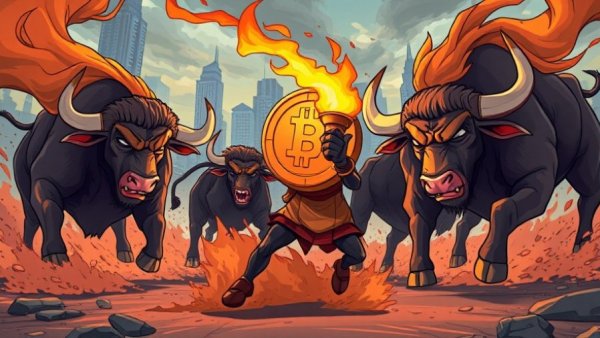
The Binance incident may serve as a pivotal moment for the cryptocurrency ecosystem, one that ultimately fosters resilience and prompts improvements within security and investor confidence. The market's recovery demonstrates that despite significant challenges, the underlying asset class retains its allure for those willing to navigate the risks.











Write A Comment